
The New Luxury Isn’t a Bigger Apartment, It’s a Better Lifestyle Ecosystem
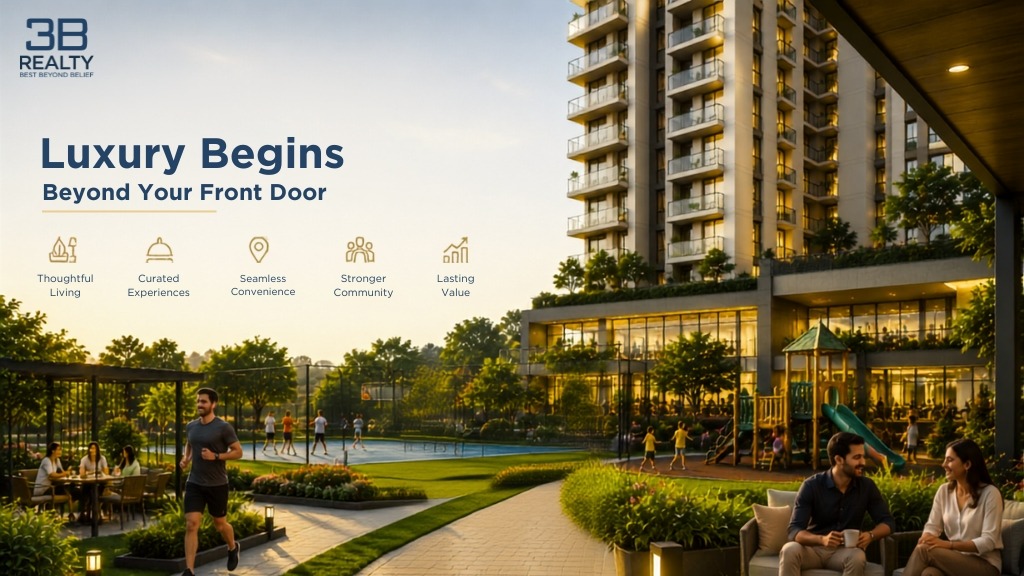
For years, luxury in real estate was measured by numbers. A larger apartment, an additional bedroom or a premium address often defined the value of a home. While these factors continue to matter, they are no longer enough to meet the expectations of today’s discerning homebuyers. Buyers now look beyond the apartment itself and evaluate how a residential community will enhance their everyday lives. This shift has redefined luxury. Instead of asking how many square feet a home offers, buyers are asking whether the community supports wellness, convenience, security, social interaction and future growth. They want homes that simplify daily routines while creating meaningful experiences for every member of the family. At 3B Realty, we have embraced this evolution by designing homes that are part of thoughtfully planned communities rather than standalone residential towers. Every project begins with a simple philosophy that luxury should not end at your front door. It should extend across the entire neighbourhood, creating an environment where residents can truly thrive. This approach allows us to create luxury lifestyle apartments that deliver value far beyond their interiors. Why Modern Luxury Is Being Redefined The way people live has changed dramatically over the past decade. Hybrid work models, increasing awareness about health and wellness, changing family structures and growing urbanisation have all influenced the way buyers evaluate residential properties. These changing modern homebuyer preferences have shifted attention from larger floor plans to better planned communities. Buyers want homes where they can begin their mornings with a walk through landscaped gardens, work from dedicated business lounges when required, enjoy recreational spaces with their families in the evening, and return to secure, peaceful surroundings every day. Luxury is no longer about having more space. It is about making every space more meaningful. For developers, this change demands a deeper understanding of how people interact with their surroundings. It requires designing communities where architecture, open spaces, amenities, mobility, and sustainability work together to improve everyday living. At 3B Realty, our planning philosophy reflects this understanding. Every decision, from project location to community layout and amenity planning, is guided by the objective of creating environments that remain relevant for years to come. The Rise of Lifestyle Driven Real Estate The residential market has entered an era where people invest in experiences as much as they invest in property. This has led to the rapid growth of lifestyle driven real estate, where the focus extends beyond individual homes to the complete ecosystem surrounding them. A lifestyle ecosystem combines thoughtful master planning, open green spaces, wellness infrastructure, recreational amenities, smart technology and community engagement into one seamless living experience. Instead of treating amenities as optional additions, they become an integral part of everyday life. This approach creates communities that encourage healthier lifestyles, stronger social connections and greater convenience for residents. For 3B Realty, master planning begins with understanding how residents will move through the community throughout the day. Walkable pathways, intuitive circulation, open recreational zones, landscaped gardens, and carefully positioned amenities all contribute towards creating an environment that feels welcoming and effortless to navigate. Rather than simply adding facilities, we focus on creating spaces that people genuinely use and enjoy every day. Designing Around Everyday Living A truly premium community is one where every element serves a purpose. Green spaces are not included simply for aesthetics. They provide breathing spaces where families can unwind, children can play safely and residents can reconnect with nature amidst busy urban lifestyles. Similarly, clubhouses are no longer viewed as luxury additions. They have evolved into social hubs where neighbours build relationships, celebrations take place and communities grow stronger over time. These spaces are planned to encourage interaction while maintaining privacy, ensuring residents enjoy both vibrant community life and personal comfort. Wellness Has Become a Core Amenity Wellness is no longer limited to a gym within the premises. Buyers increasingly seek communities that support healthier lifestyles through walking tracks, cycling paths, yoga decks, meditation zones, sports courts and abundant green landscapes. When wellness becomes part of daily life rather than an occasional activity, the overall living experience changes significantly. Residents spend more time outdoors, families become more active and communities naturally become healthier and more engaging. This is one of the defining characteristics of today’s premium residential communities, where every amenity contributes towards improving quality of life instead of merely adding visual appeal. Luxury High Rise Living Is About More Than the View The appeal of luxury high rise living extends far beyond impressive skyline views. Modern high rise developments are designed to maximise natural light, improve ventilation, optimise land use and create a well connected urban lifestyle. However, the true value of vertical living lies in how effectively the entire community is planned. A premium high rise should offer much more than beautifully designed residences. The arrival experience, landscaped podiums, dedicated recreational zones, wellness facilities, co working spaces, children’s play areas and community lounges all contribute to creating a holistic lifestyle. When these elements are integrated thoughtfully, residents enjoy the advantages of city living without compromising on comfort or convenience. At 3B Realty, every residential development is planned with this broader perspective. Our focus is not simply on constructing buildings but on creating communities where every shared space enhances the living experience. From seamless circulation and efficient layouts to inviting common areas, every detail is designed to make everyday life more comfortable and meaningful. Shared Spaces That Bring Communities Together A home should provide privacy, but a community should encourage connection. Shared spaces have become one of the defining features of modern luxury because they create opportunities for residents to interact naturally. Whether it is a weekend gathering at the clubhouse, children playing together in dedicated activity zones, or neighbours meeting during an evening walk, these everyday interactions build a stronger sense of belonging. Such experiences cannot be created within the walls of an apartment alone. They are the result of thoughtful community planning that prioritises people as much as architecture. Future Ready Communities Create Long